
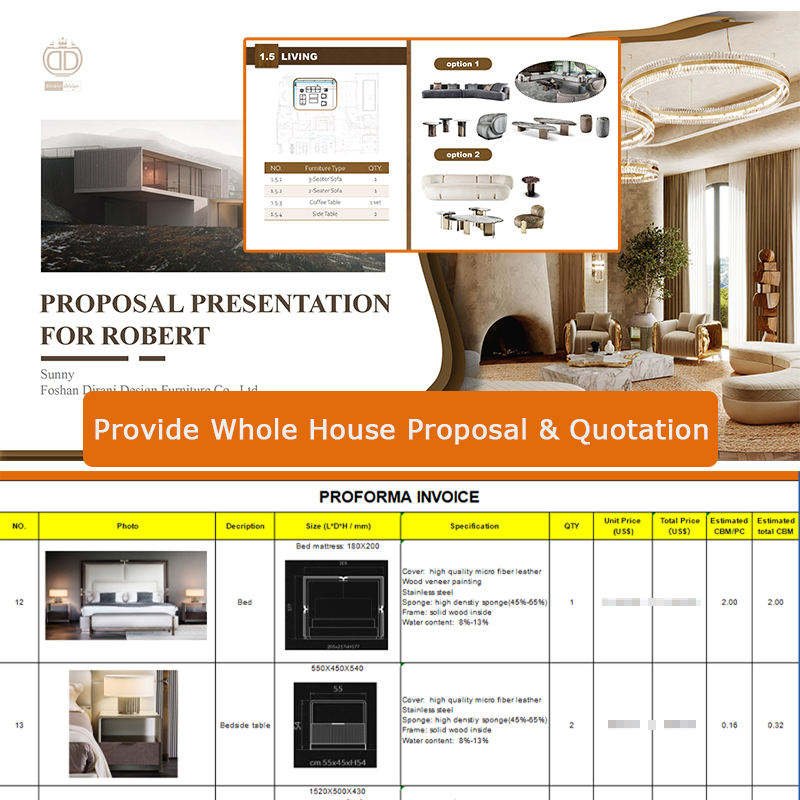
Description
### 1. Introduction to Factory Audits in the Furniture Industry
Factory audits are systematic evaluations of manufacturing facilities to verify compliance with quality standards, regulatory requirements, and ethical practices. In the global furniture sector—where supply chains span continents and consumer expectations for transparency grow—audits have become non-negotiable. For Foshan, China’s leading furniture manufacturing hub, audits are critical to maintaining competitiveness in both domestic and international markets. Unlike random inspections, formal audits follow structured protocols to assess everything from raw material sourcing to finished product safety, ensuring consistency and reliability across production lines.
### 2. Why Factory Audits Matter for Foshan Furniture Manufacturers
Foshan’s furniture industry, centered in the city’s Shunde and Nanhai districts, generates over RMB 100 billion in annual output, with 30% of products exported to Europe, North America, and Southeast Asia. Audits play three key roles here:
– **Quality Assurance**: Foshan specializes in mid-to-high-end furniture (solid wood, upholstered, and metal pieces). Audits verify compliance with standards like China’s GB 18580-2017 (formaldehyde release in wood panels) and international norms (e.g., EU CE for structural stability, U.S. CARB P2 for particleboard).
– **Regulatory Compliance**: Local environmental laws mandate VOC emission controls in spray booths, while labor regulations require fair wages and safe working conditions. Audits prevent fines or market bans for non-compliant factories.
– **Supply Chain Trust**: Global retailers (e.g., IKEA, Wayfair) require audit reports to vet suppliers. Foshan factories that pass third-party audits (e.g., SGS, BV) gain access to premium contracts and repeat business.
### 3. Foshan Furniture Factory Address: Key Clusters and Geographic Insights
Foshan’s furniture factories are not scattered—they cluster in three core areas, making audits efficient for buyers and inspectors:
– **Longjiang Town (Shunde District)**: The “furniture manufacturing capital of China,” with over 3,000 factories. Addresses here are concentrated along Donghua Road, Longjiang Avenue, and the East China Furniture City industrial zone. Most plants produce solid wood, panel, and upholstered furniture, with配套 (supporting) suppliers for hardware, foam, and textiles nearby.
– **Lecong Town (Shunde District)**: A hybrid hub of manufacturing and trade. Factories line Lecong Furniture Avenue, adjacent to the world’s largest furniture mall (Lecong International Furniture City). Many plants here focus on custom furniture and export-oriented products, with easy access to logistics hubs.
– **Jiujiang Town (Nanhai District)**: Specialized in metal and office furniture. Factories cluster in the Shatou Industrial Zone, leveraging local metal processing facilities. This area is ideal for buyers seeking durable, industrial-style furniture.
Other smaller clusters include Danzhao (Nanhai) for custom cabinetry and Beijiao (Shunde) for high-end custom furniture, but Longjiang, Lecong, and Jiujiang remain the audit priority zones.
### 4. Common Factory Audit Types for Foshan Furniture Plants
Audits in Foshan’s furniture sector are tailored to specific goals. The most frequent types include:
– **Quality Management Audit (ISO 9001)**: Evaluates whether factories follow standardized processes (e.g., raw material inspection, production traceability). Over 60% of Foshan’s large furniture factories hold ISO 9001 certification.
– **Environmental Compliance Audit**: Checks wastewater treatment (spray booth runoff), VOC emission control (activated carbon filters), and hazardous waste disposal (e.g., paint sludge). Inspectors verify compliance with local Shunde Environmental Protection Bureau regulations.
– **Social Responsibility Audit (SA8000)**: Assesses labor practices—minimum wage compliance (Foshan’s 2024 minimum wage is RMB 1,900/month), working hours (≤44 hours/week), and safety equipment (fire extinguishers, dust masks).
– **Product Safety Audit**: Targets market-specific standards. For example, U.S.-bound furniture requires CPSC compliance (childproof latches, anti-tip straps), while EU-bound products need CE marking for structural strength.
– **Supply Chain Audit**: Traces raw materials to upstream suppliers (e.g., checking if wood panels meet E0 formaldehyde standards). Foshan’s clustered supply chain makes this audit easy to execute.
### 5. How to Conduct an Effective Factory Audit in Foshan
A successful audit in Foshan requires local knowledge and structured steps:
1. **Define Objectives**: Prioritize goals (e.g., “verify CARB compliance for U.S. exports” or “assess labor practices”).
2. **Pre-Audit Preparation**:
– Collect factory addresses (confirm latest locations—some factories move to new industrial zones in Longjiang).
– Request pre-audit documents (business license, environmental permit, product test reports).
3. **On-Site Inspection**:
– **Workshops**: Check spray booths (VOC filter status), woodworking machines (maintenance logs), and upholstery lines (foam quality).
– **Warehouses**: Verify raw material storage (e.g., wood stacked to prevent moisture damage) and finished product labeling.
– **Employee Interviews**: Speak to 5–10 workers (confidentially) about wages, overtime, and safety training.
4. **Document Review**: Cross-check test reports (e.g., SGS formaldehyde tests) with actual products.
5. **Feedback & Follow-Up**: Share findings with factory managers and agree on a timeline for corrective actions (e.g., replacing a faulty VOC filter within 2 weeks).
### 6. Navigating Foshan Furniture Factory Addresses for Audit Coordination
Foshan’s clustered factory addresses simplify audit logistics:
– **Route Planning**: Start with Longjiang (manufacturing core), then Lecong (trade + production), then Jiujiang (metal furniture). This minimizes travel time (each zone is 15–30 minutes apart by car).
– **Local Tools**: Use Chinese map apps (Gaode, Baidu Maps) to mark factory addresses—many include photos of factory entrances for easy identification.
– **Communication**: Confirm factory addresses 24 hours before the audit (some small factories change locations without updating online listings). Most factories offer free shuttle services between nearby hotels and industrial zones.
– **Cluster Efficiency**: Auditors can visit 3–4 factories in a single day (e.g., 2 in Longjiang, 1 in Lecong) due to close proximity.
### 7. Conclusion
Factory audits are the backbone of Foshan’s furniture industry, ensuring quality, compliance, and trust. The city’s clustered factory addresses make audits efficient, while its adherence to global standards keeps it competitive. For buyers and inspectors, understanding Foshan’s core furniture zones (Longjiang, Lecong, Jiujiang) and common audit types is key to successful supplier vetting. For Foshan factories, proactive audits are not just a requirement—they are a path to global growth.



Reviews
There are no reviews yet.