
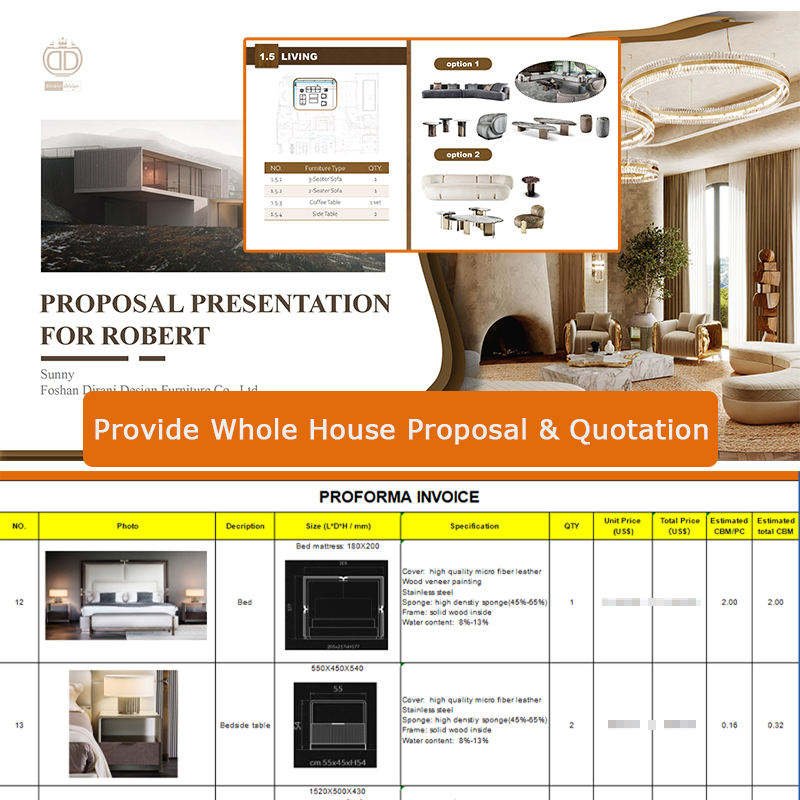
Description
# Export Services for Furniture Stores in Guangzhou China
Guangzhou, a core hub of China’s furniture manufacturing and trade, hosts thousands of stores—from small boutique wooden furniture shops in Shamei District to large-scale upholstered showrooms in Tianhe. With 2023 General Administration of Customs data showing China’s furniture exports hit $65.2 billion (Guangzhou accounting for 12% of the national total), local stores are increasingly eyeing global markets. However, navigating international export complexities—from compliance to logistics—requires specialized support tailored to Guangzhou’s unique furniture trade ecosystem. This article explores key export services, local challenges, success stories, and tips for choosing providers.
## Key Export Services Tailored for Guangzhou Furniture Stores
Guangzhou’s furniture stores face distinct export hurdles (bulky products, regional regulatory nuances), so services are designed to address these specific needs.
### 1. Product Compliance & Certification
Furniture export depends on meeting target market standards, and Guangzhou-based services simplify this with local expertise:
– **CITES Permits**: For wooden furniture using endangered species (e.g., rosewood), providers help secure permits from Guangzhou’s Forestry Bureau, avoiding seizure at ports.
– **EU CE Marking**: Partners with notified bodies in Guangzhou’s Science City to test products against EN standards (e.g., EN 1021 for upholstery flammability, EN 747 for bunk beds).
– **US CPSC Compliance**: Arranges third-party testing for flame resistance (16 CFR Part 1633) and lead content (16 CFR Part 1303) at local labs.
– **Origin Certificates**: Issues ASEAN or EU origin certificates via Guangzhou Customs to unlock preferential tariffs (e.g., 5% tariff reduction for ASEAN markets).
### 2. Logistics & Freight Forwarding
Guangzhou’s strategic location (Nansha Port, Baiyun Airport) is a strength, but furniture’s bulk/fragility needs specialized handling:
– **Port Services**: Nansha Port (70% of Guangzhou’s furniture exports) offers containerization with foam-lined plywood crating for fragile items (e.g., glass tables). Consolidation services combine small shipments from 3–5 Guangzhou stores to cut costs by 30%.
– **Air Cargo**: Baiyun Airport’s cargo terminal has direct flights to Frankfurt, Los Angeles, and Dubai, with temperature-controlled options for high-value upholstery.
– **Last-Mile Delivery**: Partners with international firms to deliver directly to overseas retail warehouses, a critical benefit for Guangzhou stores selling to global retailers.
### 3. Customs Clearance & Documentation
Guangzhou Customs’ AEO (Authorized Economic Operator) status and HS code accuracy are make-or-break for timely shipments:
– **AEO Support**: Helps stores apply for AEO status, reducing inspection rates by 50% and clearance time from 5 days to 2 days (e.g., a Tianhe upholstery store cleared a Germany shipment in 48 hours post-AEO approval).
– **Document Management**: Prepares commercial invoices (customized for furniture HS codes: 9403 for wood, 9401 for seating), packing lists (detailing dimensions), and bills of lading.
### 4. Market Entry & Localization
Many Guangzhou stores lack global market insights, so services offer targeted support:
– **Market Research**: Data on niche demands (e.g., Canadian bamboo furniture gaps, Middle Eastern luxury marble table trends).
– **Distribution Partnerships**: Connects stores with Amazon US, Wayfair, or EU distributors (e.g., a Shamei oak furniture store secured a German distributor via local provider networks).
– **Cultural Adaptation**: Translates labels into Spanish (Latin America) and adjusts packaging sizes for EU warehouse standards.
### 5. Quality Control & Inspection
Furniture defects (scratches, loose joints) lead to costly returns—services mitigate this with:
– **Pre-Shipment Inspections (PSI)**: SGS/BV inspectors visit Guangzhou factories/showrooms to check against target standards (e.g., a Foshan-based Guangzhou store caught 15% defective sofas pre-shipment to Australia).
– **Factory Audits**: Ensures compliance with labor/environmental standards for EU/US buyers.
## Challenges Guangzhou Furniture Stores Face & How Services Mitigate Them
Local stores encounter unique hurdles, but export services turn these into opportunities:
### 1. Regulatory Hurdles
Conflicting standards (EU REACH vs. US CPSC) often derail shipments. Services assign dedicated compliance specialists for each market and conduct pre-shipment chemical tests in Guangzhou labs.
### 2. Logistics Complexity
Bulky furniture (king-size beds = 2 containers) and fragile items require specialized handling. Providers use custom crating and real-time GPS tracking to avoid delays at Nansha Port.
### 3. Language & Cultural Barriers
Communicating with German retailers or US importers is challenging. Services offer bilingual (English/Chinese) staff with furniture industry terminology expertise and cultural training (e.g., EU formal contract norms vs. US flexibility).
## Success Stories of Guangzhou Furniture Stores
Local stores have leveraged export services to scale globally:
### Example 1: GreenWood Furniture (Shamei District)
A small boutique specializing in solid oak furniture failed to ship to Germany initially due to missing CE certification. Partnering with a Guangzhou provider:
– Secured EN 747 testing for bunk beds at a local lab.
– Used AEO status to clear shipments at Nansha Port in 2 days.
– Connected with a German distributor.
**Result**: 2023 exports to Germany hit $120k (200% increase from 2022).
### Example 2: ComfortHome (Tianhe)
A mid-sized upholstery store wanted to expand to Southeast Asia but faced high logistics costs. A provider:
– Consolidated shipments with 3 other Guangzhou stores.
– Obtained ASEAN origin certificates (5% tariff reduction).
– Arranged door-to-door delivery to Singapore warehouses.
**Result**: 2023 exports to Southeast Asia reached $350k (25% profit margin).
## How to Choose the Right Export Service Provider in Guangzhou
Selecting a provider requires focusing on furniture-specific expertise:
### 1. Industry Specialization
Avoid general export providers—choose those with a track record in furniture (ask for Guangzhou client case studies).
### 2. Local Network
Ensure the provider has direct ties to Guangzhou Customs, Nansha Port, and local inspectors (offices in the Guangzhou Free Trade Zone offer faster clearance).
### 3. Cost Transparency
Request detailed quotes including crating, testing, and consolidation fees—avoid hidden charges for bulky items.
### 4. 24/7 Support
International shipments face delays at any time; opt for providers with bilingual, round-the-clock support.
## Future Trends for Guangzhou Furniture Export Services
As global demand evolves, services are adapting:
### 1. Sustainability Focus
– FSC certification support for wooden furniture.
– Carbon-neutral shipping (electric trucks in Guangzhou, emission offsets via reforestation).
### 2. Digitalization
– AI-powered compliance checks (flagging standard violations pre-shipment).
– Online portals for real-time tracking and customs document submission.
### 3. Niche Market Expansion
– Luxury furniture to the Middle East (specialized marble table packaging).
– Custom furniture to Australia (small-batch shipment support for Etsy orders).
## Conclusion
For Guangzhou furniture stores, export services are not just a convenience—they are a strategic tool to tap into global demand. By leveraging local expertise in compliance, logistics, and market entry, stores can expand their reach, reduce costs, and compete effectively. As sustainability and digitalization become critical, choosing the right provider will be key to long-term success in the global furniture market.
Reviews
There are no reviews yet.