
Description
# Finding the best place to buy furniture in foshan
Foshan, a dynamic city in Guangdong Province, is more than just a manufacturing hub—it’s the beating heart of China’s furniture industry. With over 10,000 furniture enterprises spanning design, production, and retail, Foshan contributes to 20% of China’s total furniture exports, making it a global leader in the field. Whether you’re a local homeowner furnishing a new apartment, an exporter sourcing bulk orders, or a tourist hunting for unique handcrafted pieces, navigating Foshan’s furniture landscape requires knowing where to look and how to shop smart. This guide breaks down the city’s key districts, popular styles, practical tips, and local insights to help you find the best furniture in Foshan.
## Core Furniture Districts in Foshan
Foshan’s furniture clusters are concentrated in four key districts, each catering to distinct needs:
### 1. Lecong (Shunde District)
Lecong is often called the “Furniture Capital of China”—and for good reason. The **Lecong International Furniture City (LIFC)** covers 700,000+ square meters, with 300+ showrooms spread across five zones:
– **Zone A**: Mass-market, budget-friendly furniture (sofas, beds, cabinets) for everyday use.
– **Zone B**: Mid-range pieces with better craftsmanship (solid wood accents, durable upholstery).
– **Zone C**: Luxury brands (Italian, French-inspired designs) and high-end custom furniture.
– **Zone D**: Office furniture (ergonomic chairs, modular desks) and commercial fixtures.
– **Zone E**: Outdoor/garden furniture (rattan, aluminum sets for balconies or patios).
Lecong’s convenience is unmatched—you can walk between showrooms, compare prices, and find one-stop solutions for entire home furnishing.
### 2. Shunde’s Custom Furniture Clusters
Beyond Lecong, Shunde’s **Daliang and Lunjiao towns** are home to hundreds of small-to-medium workshops specializing in custom furniture. Artisans here use traditional joinery techniques (mortise and tenon, no nails) passed down for generations, creating tailored pieces for small apartments (built-in wardrobes) or large family homes (solid wood dining tables).
### 3. Nanhai Industrial Zone
Nanhai’s Furniture Industrial Zone is ideal for **bulk buyers or exporters**. Most businesses here are manufacturers (not retailers), so you can cut out middlemen and get factory-direct prices. Note: Many require minimum order quantities (MOQs) for international shipments.
### 4. Chancheng Downtown Showrooms
Chancheng, Foshan’s city center, has boutique showrooms near **Zumiao** or **Kuiqi Lu** catering to urban homeowners. These focus on space-saving designs (perfect for small apartments) and modern minimalist styles.
## Furniture Styles & Categories in Foshan
Foshan offers a diverse range of styles to suit every taste:
### Modern Minimalism
The most popular style among young locals and expats, with clean lines, neutral tones, and functional designs. Showrooms in Lecong’s Zones A/B feature engineered wood sofas, low-profile coffee tables, and compact storage units—affordable and durable.
### Traditional Chinese
For classic lovers, Shunde’s workshops and Lecong’s Zone C offer solid wood (mahogany, rosewood) pieces with intricate carvings (dragons, peonies) and heirloom-quality joinery. These pieces are built to last decades.
### Luxury European
Lecong’s Zone C showcases Italian leather sofas, French marble dining tables, and Spanish ornate bed frames. Many luxury brands offer customization (imported materials, personalized finishes) for discerning buyers.
### Outdoor Furniture
Warm Foshan weather makes outdoor sets a staple. Lecong’s Zone E and Shunde’s Beijiao area offer weather-resistant rattan chairs, aluminum tables, and compact balcony sets.
### Office Furniture
Foshan supplies 30% of China’s office furniture. Lecong’s Zone D and Nanhai’s industrial zone offer ergonomic chairs (adjustable lumbar support) and modular desks for home offices or corporate spaces.
### Custom Furniture
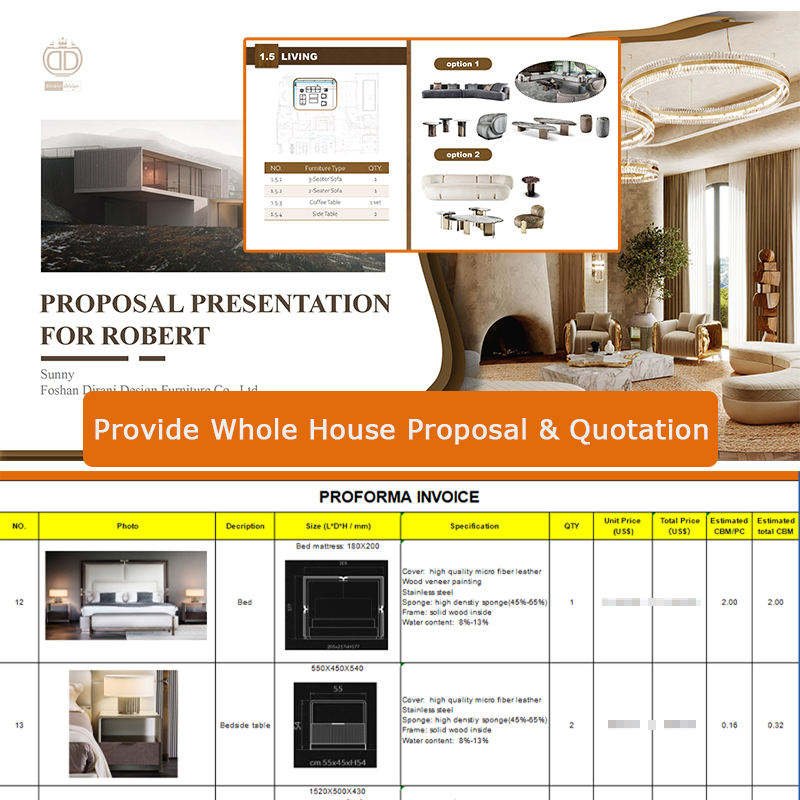
Shunde’s workshops excel at tailored pieces. Whether you need a built-in bookshelf for a narrow wall or a custom bed for a small bedroom, artisans provide 3D renderings to visualize the final product before production.
## Practical Tips for Shopping in Foshan
Navigate Foshan’s markets like a local with these tips:
### Bargaining 101
Bargaining is expected in non-luxury showrooms. Start at 60–70% of the asking price, then meet in the middle. Luxury showrooms (Zone C) have fixed prices—no haggling.
### Quality Checks
– **Solid wood**: Look for uniform grain, no cracks/warping, and smooth finishes.
– **Upholstery**: Press cushions (should bounce back quickly), check tight stitching (no loose threads), and ask for fabric samples.
– **Safety**: Request E0-grade plywood certificates (low formaldehyde emissions) for wooden furniture.
### Shipping & Logistics
– **Local delivery**: Most showrooms partner with delivery services (cost: ¥50–¥200 depending on distance).
– **International shipping**: Manufacturers handle customs docs and shipping to Hong Kong/Guangzhou ports (ask for quotes upfront).
– **Small items**: Use ride-hailing apps (Didi) for chairs/side tables.
### Language & Timing
– **Language**: Bring Google Translate (most Lecong staff speak basic English; Shunde workshops may need a Mandarin speaker).
– **Best time**: Visit during the **China International Furniture Fair (CIFF)** (March/September) for 20–30% discounts and new designs. Avoid public holidays (crowded, higher prices).
## Top Spots for Specific Needs
Tailor your search to your priorities:
– **Budget-friendly**: Lecong Zone A, Chancheng’s second-hand markets (Kuiqi Lu) (check for wear).
– **Luxury**: Lecong Zone C, Chancheng’s Zumiao boutique showrooms.
– **Custom**: Shunde’s Daliang/Lunjiao workshops, Lecong Zone B custom centers.
– **Office**: Lecong Zone D, Nanhai Xiqiao Industrial Zone.
– **Outdoor**: Lecong Zone E, Shunde Beijiao.
## Local Craftsmanship & Innovation
Foshan’s furniture stands out for its heritage and sustainability:
### Woodworking Heritage
Shunde’s artisans are third/fourth-generation woodworkers, mastering traditional joinery that makes furniture durable without nails. This heritage is why Foshan’s solid wood pieces are sought after globally.
### Sustainability Trends
– Eco-friendly materials: Bamboo (fast-growing, renewable) and recycled wood are replacing traditional plywood.
– Low-carbon production: Water-based paints (no toxic fumes) and solar-powered factories are becoming standard.
– Green labels: Many showrooms now mark “eco-friendly” lines with certifications (e.g., FSC for wood).
### Global Design Collaboration
Foshan brands partner with Italian, Scandinavian, and Japanese designers to create modern designs that appeal to global markets. For example, local brand **KUKA** collaborates with German designers for ergonomic sofas.
## Final Buyer’s Checklist
Before, during, and after shopping:
### Before
1. Measure your space (floor plan + doorway/staircase dimensions).
2. Set a budget (prioritize must-haves: sofa, bed, dining table).
3. Collect inspiration (Pinterest/Instagram) for style.
### During
1. Ask for material specs and dimensions.
2. Test furniture (sit on chairs, open cabinets).
3. Confirm delivery time/cost (get a written agreement).
4. Get a receipt (item details, price, warranty).
### After
1. Inspect for damages (report immediately to the showroom).
2. Keep the receipt for warranty claims.
3. Follow care instructions (dust regularly, avoid direct sunlight).
Foshan’s furniture industry offers something for everyone—from budget-friendly mass-market pieces to luxury custom designs. By leveraging local insights and practical tips, you can find the perfect furniture to suit your needs, whether for your home or business.
Reviews
There are no reviews yet.