
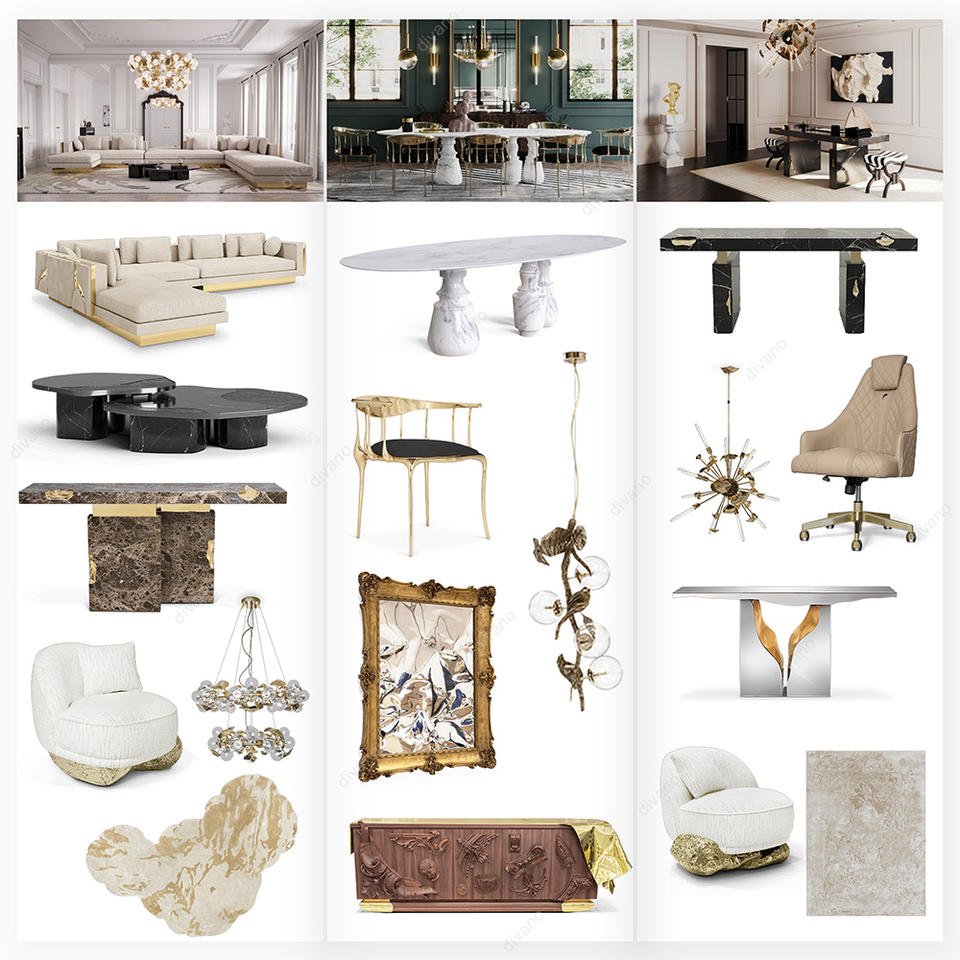
Description
# Partnering with the Best Furniture Manufacturers in Guangzhou, China
Guangzhou, a dynamic port city in southern China’s Guangdong province, has evolved into a global hub for furniture manufacturing over the past three decades. Blending centuries-old craftsmanship with cutting-edge technology, its top manufacturers cater to international clients—from boutique home decor labels to major retail chains—with solutions that balance quality, scalability, and innovation. For businesses seeking reliable, forward-thinking partners, understanding Guangzhou’s ecosystem is key to unlocking long-term success. This article explores why the city stands out, how to identify top manufacturers, and how to navigate partnerships effectively.
## 1. Strategic Geographical Positioning & Supply Chain Efficiency
Guangzhou’s location is a cornerstone of its manufacturing优势. Nestled near Hong Kong and Macau, it boasts direct access to the **Port of Guangzhou**—one of China’s busiest container ports—cutting shipping times to Europe, North America, and Southeast Asia by 1–2 weeks compared to inland hubs.
The city’s supply chain is deeply integrated:
– **Clustered Manufacturing**: Key districts like Panyu (high-end solid wood and metal furniture) and Baiyun (upholstery and custom pieces) host dense networks of factories, reducing lead times for component sourcing.
– **Proximity to Raw Materials**: Guangzhou is within 300 km of major suppliers: Guangxi (sustainable bamboo and hardwood), Guangdong (stainless steel and aluminum), and Shiling Town (leather for upholstery). This eliminates long-distance transportation costs and delays.
– **Logistics Infrastructure**: Expressways, high-speed rail links, and air cargo hubs (Guangzhou Baiyun International Airport) ensure seamless movement of goods from factory to warehouse.
For global clients, this efficiency translates to faster order fulfillment and lower operational costs—critical for meeting tight retail deadlines or seasonal demand spikes.
## 2. Diverse Manufacturing Capabilities for Every Niche
Guangzhou’s manufacturers cover a spectrum of furniture types, adapting to client needs from mass production to hyper-customization:
### a. Mass Production for Retail Chains
Many factories specialize in scalable production of affordable, durable furniture (e.g., MDF cabinets, fabric sofas) for global retailers. They use lean manufacturing techniques to optimize output while maintaining consistent quality.
### b. Custom & Luxury Design
Boutique manufacturers in Panyu District focus on high-end pieces: solid wood furniture with traditional Chinese joinery (e.g., mortise-and-tenon), hand-upholstered leather sofas, and custom hospitality furniture (hotel lobbies, restaurant booths). These partners often collaborate with international designers to create unique, brand-aligned products.
### c. Sustainable & Eco-Friendly Solutions
With growing global demand for green furniture, Guangzhou’s top manufacturers prioritize eco-certified materials: FSC-certified wood, recycled metal, and organic fabrics. Some even offer carbon-neutral production options, helping clients meet ESG (Environmental, Social, Governance) targets.
### d. Smart Furniture Innovation
A growing segment of Guangzhou’s manufacturers integrates IoT features: adjustable beds with app control, LED-lit storage cabinets, and USB-charging sofas. This aligns with consumer trends for tech-integrated home products, giving clients a competitive edge.
## 3. Commitment to Quality & Global Compliance
Trust is non-negotiable for international partnerships, and Guangzhou’s top manufacturers prioritize compliance with global standards:
– **Certifications**: Most hold ISO 9001 (quality management), ISO 14001 (environmental management), FSC (sustainable forestry), CE (European safety), and BSCI (social compliance). For niche markets, they may also offer CPSC (U.S. consumer safety) or GREENGUARD (low-emission) certifications.
– **Rigorous Quality Control**: Factories implement multi-stage checks:
1. Incoming material inspections (e.g., wood moisture content, fabric color fastness).
2. In-process audits (e.g., joint strength, upholstery stitching).
3. Final product testing (e.g., durability, flame retardancy for upholstery).
– **Transparency**: Reputable manufacturers share audit reports and sample test results with clients, building confidence in their processes.
For example, a Guangzhou-based solid wood factory recently passed a third-party audit for child-safe furniture, meeting CPSC standards for non-toxic finishes and structural stability—critical for a U.S. client’s children’s line.
## 4. How to Identify the Best Furniture Manufacturers in Guangzhou
Finding the right partner requires due diligence. Follow these steps:
### a. Define Your Core Needs
Start by clarifying:
– Type of furniture (e.g., residential, hospitality, office).
– Quantity (mass production vs. small batches).
– Budget and target market (affordable vs. luxury).
– Compliance requirements (e.g., FSC, CE).
### b. Vet Potential Partners
– **Experience**: Prioritize factories with 10+ years of experience in your niche (e.g., hospitality furniture). Longevity indicates stability and expertise.
– **Portfolio**: Request samples or case studies of past projects. Look for alignment with your brand (e.g., minimalist design for a Scandinavian client).
– **Online Credibility**: Use industry directories (e.g., Alibaba Gold Supplier, Global Sources) but cross-reference reviews with third-party platforms (e.g., Trustpilot). Avoid manufacturers with inconsistent feedback on quality or delivery.
### c. Evaluate Communication & Support
– **Language**: Ensure the factory has an English-speaking team or dedicated account manager. Miscommunication is a common pitfall—avoid partners with limited language skills.
– **Responsiveness**: Test their response time to queries (aim for 24–48 hours). Slow communication often signals poor customer service.
– **After-Sales Support**: Ask about warranty policies and defect resolution. Top manufacturers offer 1–2 year warranties and replace faulty products promptly.
### d. Visit Factories (If Possible)
In-person visits reveal critical details:
– Production capacity and equipment (e.g., CNC machines for precision cuts).
– Working conditions (compliance with labor laws).
– Quality control processes (e.g., testing labs).
If travel is not feasible, request virtual tours or third-party factory audits.
## 5. Navigating Common Partnership Challenges
Even with the best partners, challenges arise—here’s how to address them:
### a. Language & Cultural Barriers
– **Solution**: Hire a local agent or translator with furniture industry expertise. Learn basic cultural norms (e.g., respect for hierarchy, punctuality in meetings) to build trust.
### b. Lead Time Delays
– **Solution**: Build a 10–15% buffer into deadlines. Choose manufacturers with flexible production lines that can adjust to order changes.
### c. Quality Disputes
– **Solution**: Document quality standards in the contract (e.g., wood finish specifications, stitch count). Conduct pre-production sample approvals and final inspections via third-party services (e.g., SGS, Intertek).
### d. Logistics Complexity
– **Solution**: Work with manufacturers that offer FOB (Free on Board) terms (they handle shipping to the port). Partner with a freight forwarder with local expertise to manage customs clearance and last-mile delivery.
## 6. Success Stories: Global Brands Thriving with Guangzhou Partners
Guangzhou’s manufacturers have helped global brands scale and innovate:
– A leading European home decor brand partnered with a Guangzhou factory to produce sustainable bamboo furniture. The partnership reduced their carbon footprint by 30% and cut costs by 15% compared to European suppliers.
– A U.S.-based boutique hotel chain collaborated with a Panyu custom manufacturer to design unique lobby furniture. The pieces, which blended Chinese craftsmanship with modern minimalism, received 4.8/5 guest reviews for their comfort and style.
These stories highlight how aligning with Guangzhou’s top manufacturers can drive growth and differentiation.
## Conclusion
Partnering with the best furniture manufacturers in Guangzhou is more than a sourcing decision—it’s an investment in a dynamic ecosystem that combines efficiency, quality, and innovation. By prioritizing due diligence, clear communication, and alignment with your brand’s values, you can build long-term partnerships that drive success in global markets. Whether you’re a small boutique or a large retail chain, Guangzhou’s manufacturing expertise offers solutions tailored to your needs.
Reviews
There are no reviews yet.