
Description
Guangzhou, the vibrant capital of Guangdong Province in southern China, has long been a cornerstone of the country’s furniture export industry. Nestled in the heart of the Pearl River Delta (PRD)—a region renowned for its manufacturing prowess—Guangzhou combines strategic location, a mature industry ecosystem, and world-class logistics to serve global buyers with diverse, quality furniture solutions. From modern residential sets to custom commercial pieces, the city’s exports span 100+ countries, making it an indispensable hub for the global furniture trade. This article explores the key drivers of Guangzhou’s success, practical steps for exporters, compliance requirements, and emerging trends shaping its future.
### 1. Guangzhou’s Unique Edge as a Furniture Export Hub
Guangzhou’s rise as a furniture export leader stems from three interconnected strengths:
#### Geographical Advantage
As the gateway to South China, Guangzhou is adjacent to Hong Kong and Macau—major trade hubs—and connected to the PRD’s manufacturing clusters (e.g., Foshan, Dongguan) via high-speed rail and expressways. This proximity allows for seamless integration of raw material sourcing, production, and export. For example, Foshan’s wood processing factories are just 30 minutes away, enabling Guangzhou-based exporters to source high-quality materials at competitive prices.
#### Mature Industry Ecosystem
The city boasts a dense network of furniture manufacturers, suppliers, and trade platforms. Key clusters include Tianhe Furniture City (a 100,000+ sq.m. complex with 500+ showrooms) and the Pazhou Complex—home to the twice-yearly Canton Fair, where furniture exhibitors attract buyers from 200+ countries. Local suppliers offer everything from solid wood and metal frames to eco-friendly fabrics, reducing lead times for exporters.
#### Historical Trade Legacy
Guangzhou’s 2,000-year history as a trade port (once the only Chinese port open to foreign traders) has fostered a culture of international business. This legacy translates to a deep understanding of global market needs, from design preferences to regulatory compliance.
### 2. Core Furniture Categories Dominating Exports
Guangzhou’s furniture exports cover a wide range of segments, tailored to global demand:
#### Residential Furniture
This is the largest segment, accounting for ~60% of exports. Popular products include modern minimalist sofas (upholstered in linen or leather), solid wood bedroom sets, and space-saving dining tables (ideal for urban apartments in Japan and Europe). Exporters often offer customization options—e.g., adjusting sofa sizes for small US apartments or adding storage features for Indian households.
#### Commercial Furniture
Commercial furniture makes up ~25% of exports, with a focus on office, hotel, and restaurant solutions. Guangzhou manufacturers specialize in ergonomic office chairs (certified for EU safety standards) and custom hotel furniture (e.g., luxury bed frames for Middle Eastern resorts). Many work directly with global hospitality chains to meet brand-specific design requirements.
#### Eco-Friendly & Sustainable Furniture
Demand for green furniture has grown 30% annually in recent years, driven by EU and US buyers. Guangzhou’s exporters lead this trend with products made from bamboo (a fast-growing, renewable resource), reclaimed wood, and low-VOC (volatile organic compound) finishes. For example, a Panyu-based manufacturer uses 100% recycled metal for table frames, reducing carbon emissions by 40% per product.
#### Custom-Made Niche Products
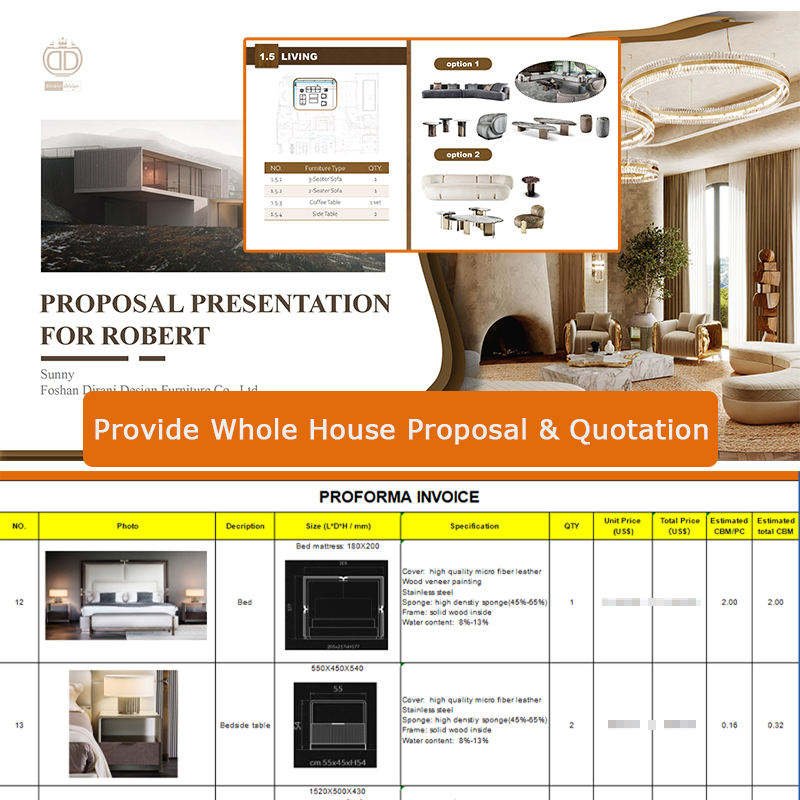
Small-batch custom furniture (e.g., hand-carved wooden cabinets for Australian villas, modular shelves for Singaporean HDB flats) accounts for ~10% of exports. Exporters use 3D design tools to let buyers visualize products before production, ensuring alignment with local tastes.
### 3. Step-by-Step Guide to Exporting Furniture from Guangzhou
For new exporters or global buyers sourcing from Guangzhou, here’s a practical roadmap:
#### Step 1: Market Research & Product Alignment
First, identify target markets and their preferences. For example:
– US buyers prefer larger, stain-resistant sofas;
– EU buyers prioritize compact, eco-friendly designs;
– Middle Eastern buyers favor ornate, luxury furniture.
Use data from platforms like Alibaba or the Canton Fair to analyze trends.
#### Step 2: Partner with Verified Suppliers
Visit Guangzhou’s furniture clusters (Tianhe, Panyu) to meet manufacturers. Verify their credentials:
– ISO 9001 certification (quality management);
– Past export records (ask for references from global buyers);
– Sample quality (request prototypes to check materials and craftsmanship).
#### Step 3: Ensure Regulatory Compliance
Compliance is critical to avoid delays or penalties. Key certifications include:
– **CITES**: For furniture using endangered wood species (e.g., teak, mahogany)—requires a permit from the Chinese government;
– **CE Marking**: Mandatory for EU exports (covers safety, health, and environmental standards);
– **CPSC**: For US exports (ensures furniture meets child safety standards, e.g., no sharp edges);
– **CIQ Inspection**: China’s mandatory pre-shipment inspection to confirm product quality and safety.
#### Step 4: Plan Logistics Efficiently
Guangzhou offers multiple logistics options:
– **Sea Freight**: Use Nansha Port (largest in PRD) for bulk shipments—handles 12 million TEUs annually, with direct routes to 300+ ports;
– **Air Freight**: Baiyun International Airport’s cargo terminal is ideal for high-value, time-sensitive products (e.g., custom furniture) with direct flights to Europe, North America, and Southeast Asia;
– **Bonded Warehouses**: Located near Nansha Port, these allow temporary storage without duty payment, perfect for consolidating small orders.
#### Step 5: Prepare Documentation
Necessary documents include:
– Commercial Invoice (detailing product value, quantity, and description);
– Bill of Lading (proof of shipment);
– Certificate of Origin (to claim preferential tariffs in some markets);
– Inspection Certificates (from CIQ or third-party agencies like SGS).
#### Step 6: Manage Payment & Risk
Use secure payment methods:
– **Letter of Credit (L/C)**: Preferred for large orders (guarantees payment from the buyer’s bank);
– **T/T (Telegraphic Transfer)**: Common for small orders (30% deposit upfront, 70% before shipment);
– **Trade Insurance**: Mitigate risks like shipping delays or product damage (e.g., Allianz Trade offers coverage for furniture exports).
### 4. Key Regulatory Challenges & Mitigations
While Guangzhou’s exporters are experienced in compliance, global regulations are constantly evolving. Here are common hurdles:
#### Tariff Fluctuations
Recent trade tensions have led to tariff changes in some markets (e.g., US tariffs on Chinese furniture). Mitigation: Diversify target markets—shift focus to Southeast Asia (Indonesia, Vietnam) or Africa (Nigeria, South Africa), where tariffs are lower.
#### CITES Compliance
Endangered wood species require strict documentation. Mitigation: Work with suppliers who source wood from FSC (Forest Stewardship Council)-certified forests, which are exempt from CITES restrictions in many cases.
#### EU REACH Regulations
REACH (Registration, Evaluation, Authorization and Restriction of Chemicals) restricts harmful chemicals in furniture materials. Mitigation: Use REACH-compliant fabrics and finishes—Guangzhou’s suppliers often provide test reports to verify compliance.
### 5. Future Trends Shaping Guangzhou’s Furniture Exports
The industry is evolving to meet global demands, with three key trends:
#### Sustainability as a Non-Negotiable
Guangzhou’s government has launched initiatives to reduce carbon emissions in manufacturing. Exporters are investing in solar-powered factories and circular economy models (e.g., recycling old furniture parts into new products). By 2025, the city aims for 50% of its furniture exports to be eco-friendly.
#### Digitalization & Customization
3D visualization tools allow buyers to customize furniture online (e.g., change fabric color or add storage). AI-powered supply chain systems optimize shipping routes and reduce lead times. Platforms like Alibaba’s Guangzhou Furniture Pavilion connect exporters directly to global buyers, cutting middleman costs.
#### Emerging Market Growth
Southeast Asia and Africa are fast-growing markets for Guangzhou’s furniture. For example, Indonesia’s middle class is expanding, driving demand for affordable residential furniture. Exporters are adapting products to local needs—e.g., designing dining sets with foldable features for small Indonesian homes.
### 6. Local Success Story: GreenWood Furniture
GreenWood Furniture, a Guangzhou-based manufacturer founded in 2010, exemplifies the city’s export success. Specializing in bamboo and reclaimed wood furniture, the company exports to 25 countries (including Germany, Australia, and Canada).
Key to their success:
– **Sustainability**: Uses FSC-certified bamboo and reclaimed teak, reducing waste by 35% annually;
– **Logistics**: Leverages Nansha Port for bulk shipments to Europe and Baiyun Airport for custom orders to Australia;
– **Compliance**: Holds CE, CITES, and ISO 9001 certifications, ensuring access to global markets.
In 2023, GreenWood won the “Guangdong Green Export Enterprise” award, highlighting Guangzhou’s role in promoting sustainable trade.
Guangzhou’s furniture export industry is a model of adaptability and innovation. Its strategic location, mature ecosystem, and focus on sustainability have made it a global leader. For exporters and buyers alike, the city offers a one-stop solution for quality, compliant, and trend-aligned furniture. As global demand for eco-friendly and customized products grows, Guangzhou is well-positioned to maintain its status as a key player in the global furniture trade.
Reviews
There are no reviews yet.