
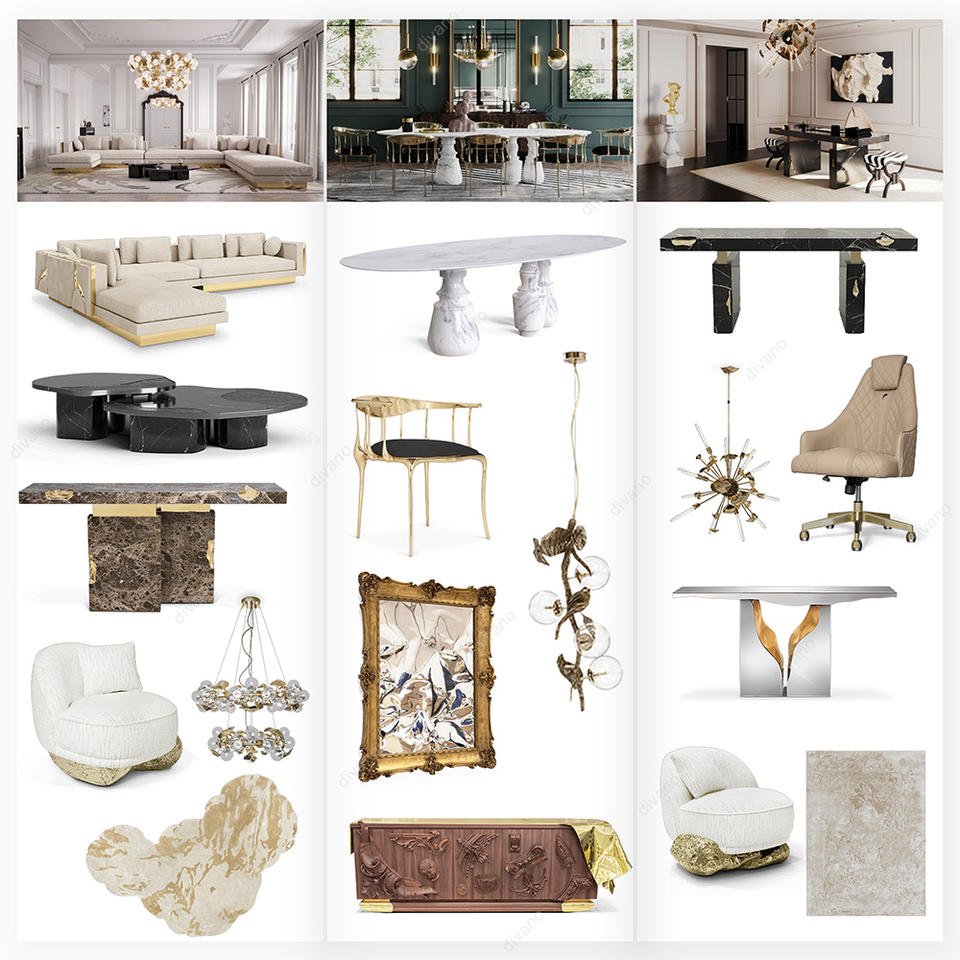
Description
### Partnering with a Guangzhou Furniture Trader-Manufacturer: A Strategic Guide for Global Brands
For global furniture retailers, hospitality chains, and boutique designers, sourcing from China’s Guangzhou has long been a strategic choice—but partnering with a **trader-manufacturer** (a one-stop entity combining production and trading capabilities) offers unique advantages that set it apart from traditional suppliers. This article explores why Guangzhou is a leading hub, how to leverage partnerships with local trader-manufacturers, and key considerations to ensure success.
## Table of Contents
1. Why Guangzhou Stands Out as a Furniture Manufacturing & Trading Hub
2. Key Advantages of Partnering with a Guangzhou Trader-Manufacturer
3. Critical Considerations Before Finalizing a Partnership
4. Step-by-Step Guide to a Successful Collaboration
5. Common Challenges & Mitigation Strategies
6. Real-World Examples of Successful Partnerships
## 1. Why Guangzhou Stands Out as a Furniture Manufacturing & Trading Hub
Guangzhou’s furniture industry is not just a cluster—it’s a dynamic ecosystem built on heritage, logistics, and global connectivity.
### Historical Context & Market Exposure
Guangzhou’s furniture craftsmanship dates to the Ming Dynasty, when artisans produced exquisite wooden pieces for the Silk Road. Today, this heritage blends with modern innovation: the city hosts the **Canton Fair** (China Import and Export Fair), the world’s largest furniture trade event, where 1,200+ local manufacturers showcase products twice annually. This exposure fosters a deep understanding of global trends (e.g., sustainability, minimalism) that few other regions match.
### Supply Chain Integration
The city’s furniture cluster, centered in **Panyu District**, is home to 2,000+ factories and 500+ material suppliers (wood, metal, fabric, foam). Raw materials are sourced within a 30-minute radius, reducing lead times by 15–20% compared to less concentrated regions. For example, the **Guangzhou International Furniture Material City (IFMC)** supplies 60% of local manufacturers with FSC-certified wood and fire-retardant fabrics.
### Global Trade Infrastructure
Guangzhou’s **Port of Nansha** handles 22 million TEUs annually, with direct routes to 300+ ports (Los Angeles, Rotterdam, Singapore). Customs clearance for furniture averages 2–3 days (vs. 5–7 days in other Chinese cities), thanks to streamlined digital processes. The city also has 10+ international airports (including Baiyun, China’s third-busiest) for urgent small-batch shipments.
## 2. Key Advantages of Partnering with a Guangzhou Trader-Manufacturer
Unlike separate traders and manufacturers, Guangzhou’s trader-manufacturers offer end-to-end control that minimizes risks and maximizes value.
### End-to-End Quality & Communication Control
A 2023 survey by the **Guangzhou Furniture Industry Association (GFIA)** found that trader-manufacturers reduce production errors by 25% by overseeing design (3D rendering tools like SketchUp), production (CNC machining, upholstery), and logistics (warehousing, shipping) in-house. No gaps between third-party traders and factories mean faster problem-solving.
### Flexible Customization for All Business Sizes
78% of Guangzhou trader-manufacturers offer customization for MOQs as low as 50 units (per 2024 GFIA data), making them accessible to SMBs and boutique brands. For example:
– A US eco-retailer can order bamboo furniture with engraved brand logos.
– A European hotel chain can request custom-sized upholstered chairs with EN 1021 fire-retardant fabric.
### Competitive Pricing Without Compromising Quality
Local raw material access and skilled labor (100,000+ artisans) reduce costs by 10–30% vs. European/North American manufacturers. Crucially, 65% hold ISO 9001 (quality management) certification, and 40% are FSC-certified for sustainable wood products.
### Proximity to Global Market Insights
Trader-manufacturers in Guangzhou regularly attend international trade shows (Canton Fair, Milan Furniture Fair) and collaborate with global designers, so they can advise clients on emerging trends (e.g., circular furniture using recycled materials).
## 3. Critical Considerations Before Finalizing a Partnership
Success depends on thorough due diligence—here’s what to prioritize:
### Verify Credentials & Compliance
– **Certifications**: Request copies of ISO 9001, FSC (sustainable forestry), BSCI (fair labor), and industry-specific standards (e.g., ASTM F2057 for US furniture stability).
– **Factory Audits**: Conduct physical or virtual audits to check production capacity, quality control labs, and worker conditions (e.g., safe ventilation for woodworking).
– **References**: Ask for 2–3 international client references to confirm reliability.
### Define Clear Expectations
Put all terms in writing:
– MOQs, lead times (30–45 days for standard orders; 60 days for custom designs).
– Quality standards (e.g., formaldehyde emissions ≤0.124 ppm, per US EPA guidelines).
– Payment terms (common: 30% deposit, 70% against bill of lading).
### Protect Intellectual Property (IP)
– Sign an **NDA** before sharing design sketches or prototypes.
– Register unique designs with China’s State Intellectual Property Office (SIPO) if targeting the Chinese market.
– 82% of Guangzhou furniture manufacturers have IP protection policies (2023 China IP Administration data).
### Cultural Alignment
Chinese business culture values **guanxi** (relationship building). Invest time in face-to-face meetings (or video calls) to build trust—initial conversations may focus on rapport, not negotiations.
## 4. Step-by-Step Guide to a Successful Collaboration
Follow these steps to minimize risks and maximize value:
### Step 1: Research & Shortlist
– **Trade Shows**: Start with the Canton Fair (April/October) or Guangzhou International Furniture Fair (GIFF).
– **Online Directories**: Use Alibaba Gold Supplier or Global Sources to filter for trader-manufacturers with 5+ years of export experience and positive reviews.
### Step 2: Request Samples & Visit Factories
– Ask for physical samples + material test reports (e.g., fire-retardant fabric certification).
– Visit factories (many offer airport pickup) to observe production lines and quality control processes.
### Step 3: Negotiate & Sign Agreements
– Clarify penalties for late delivery (e.g., 0.5% of order value per day) or quality defects (free replacement + shipping).
– Include clauses for IP protection and dispute resolution (e.g., mediation via GFIA).
### Step 4: Launch a Pilot Order
– Start with 100–200 units to test reliability.
– Hire a third-party inspector (SGS/Intertek) for pre-shipment checks.
### Step 5: Scale & Optimize
– Once the pilot succeeds, increase order volumes.
– Collaborate on process improvements (e.g., reduce lead times by 10% via batch production).
## 5. Common Challenges & Mitigation Strategies
No partnership is perfect—here’s how to address key issues:
### Supply Chain Disruptions
– **Mitigation**: Ask for backup suppliers for critical materials (e.g., bamboo, foam). Build a 10–15% buffer into lead times for port delays or raw material shortages.
### Quality Consistency
– **Mitigation**: Conduct monthly factory audits and require the manufacturer to share daily quality logs. Use third-party inspections for 100% of batches until consistency is proven.
### Communication Gaps
– **Mitigation**: Assign a bilingual point of contact (POC) and use project management tools (Trello, Slack) for real-time updates. Avoid relying solely on email for urgent issues.
### Regulatory Compliance
– **Mitigation**: Share your country’s import rules (e.g., US CPSC lead limits, EU REACH regulations) upfront. Ask the manufacturer to provide compliance certificates for every shipment.
## 6. Real-World Examples of Successful Partnerships
These cases illustrate how Guangzhou trader-manufacturers deliver value:
### Case 1: EcoHome (US Eco-Retailer)
– **Partner**: GreenWood Furniture (Guangzhou trader-manufacturer).
– **Need**: FSC-certified bamboo furniture for US markets.
– **Result**: 30% cost reduction vs. previous Vietnamese supplier; 15% sales increase due to unique designs. GreenWood also updated EcoHome on new bamboo processing technologies (e.g., zero-waste cutting).
### Case 2: BoutiqueStay (European Hotel Chain)
– **Partner**: LuxuryUpholstery (Guangzhou trader-manufacturer).
– **Need**: Custom upholstered furniture for Paris/Berlin hotels (EN 1021 fire standards).
– **Result**: On-time delivery for 5 hotels; 20% higher guest satisfaction scores. LuxuryUpholstery provided on-site installation training for local staff.
## Conclusion
Partnering with a Guangzhou furniture trader-manufacturer offers a unique blend of customization, quality, and cost efficiency—provided you prioritize due diligence and relationship building. By leveraging the city’s supply chain strength, global connectivity, and heritage of craftsmanship, brands can access furniture that meets their specific needs and stays ahead of trends. As the industry shifts toward sustainability, Guangzhou’s trader-manufacturers are well-positioned to lead, offering innovative circular solutions for global clients.
Reviews
There are no reviews yet.