
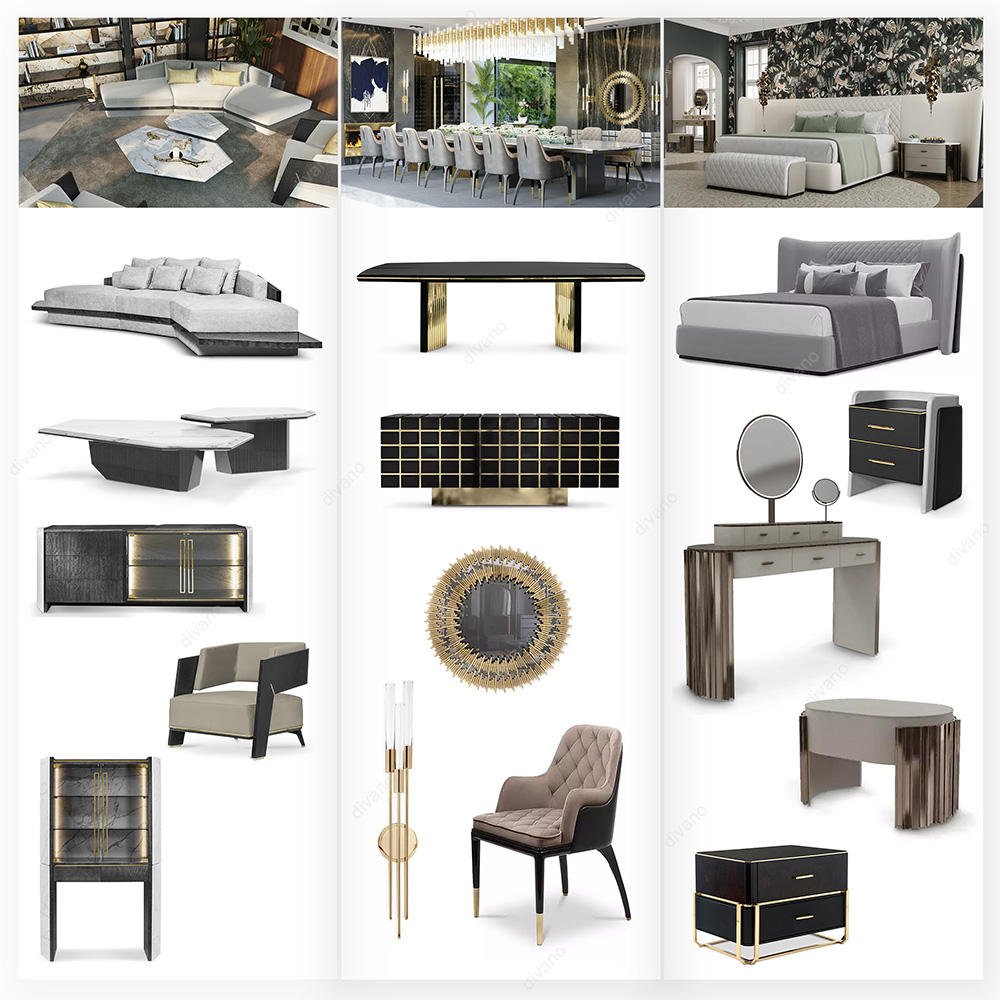
Description
# Direct from Furniture Manufacturers Guangzhou
## Why Guangzhou is a Global Hub for Furniture Manufacturing
Guangzhou, a bustling port city in southern China, isn’t just celebrated for its dim sum or the Canton Fair—it’s a cornerstone of the global furniture supply chain. Since the 1990s, the city’s furniture industry has grown exponentially, fueled by strategic advantages that set it apart from other manufacturing hubs.
First, Guangzhou’s proximity to raw material clusters cuts logistics costs and lead times: Foshan (1 hour away) supplies metal hardware, Dongguan (30 minutes) provides textiles and upholstery, and nearby Guangxi offers sustainable hardwoods. Second, its port access is unrivaled: Huangpu Port, one of China’s top five container ports, handles over 20 million TEUs annually, making it easy to ship furniture to markets like the U.S., EU, and Southeast Asia. Third, trade shows like the Canton Fair (twice yearly) and Guangzhou International Furniture Fair (GIFF) attract buyers from 200+ countries, fostering long-term international partnerships. Finally, a skilled labor pool of artisans and technicians with decades of experience ensures consistent quality. Today, Guangzhou accounts for ~15% of China’s total furniture exports, solidifying its status as a global leader.
## Key Specialties of Guangzhou Furniture Manufacturers
Guangzhou’s manufacturers cater to diverse global demands, with four core specialties standing out:
### Modern Minimalist Furniture
This style dominates local and export markets, defined by clean lines, functional design, and neutral palettes (white, gray, natural wood tones). Examples include compact sofas for urban apartments, sleek dining sets, and minimalist bedroom furniture. Many use FSC-certified wood, high-density foam, and scratch-resistant MDF to balance aesthetics and durability.
### Customized Solutions
B2B (hotels, offices) and B2C (homeowners) clients rely on Guangzhou’s custom capabilities. Hotels often request branded headboards or lobby furniture; urban buyers seek small-space fixes like foldable tables or wall-mounted desks. Manufacturers offer 3D renderings to help clients visualize designs before production, reducing revision cycles.
### Ergonomic Office Furniture
A cluster in Panyu district focuses on office chairs, modular workstations, and conference tables. Products comply with international standards like BIFMA (U.S.) and EN 1335 (EU) to support employee well-being—think adjustable lumbar support, breathable mesh, and cable management systems.
### Eco-Friendly Furniture
A fast-growing segment uses recycled materials (wood scraps, aluminum, plastic) and low-VOC paints/adhesives. Some manufacturers repurpose production waste into coasters or cushions, aligning with circular economy principles.
## Benefits of Sourcing Directly from Guangzhou Manufacturers
Cutting out middlemen (wholesalers, distributors) unlocks tangible advantages for buyers:
### Cost Efficiency
Direct sourcing reduces costs by 15–30% for bulk orders and 10–20% for small-batch custom work. For example, a U.S. retailer might pay $200 per sofa unit directly vs. $260 via a distributor.
### Flexibility
Direct communication lets buyers tweak designs (e.g., change fabric, adjust dimensions, add logos) without lengthy approval chains. Some manufacturers accept MOQs as low as 50 units for custom projects—ideal for small businesses or niche markets.
### Faster Turnaround
Proximity to raw materials and efficient supply chains shorten lead times by 10–15% compared to northern Chinese hubs. A standard order takes 25–30 days to produce, vs. 35–40 days elsewhere.
### Trend Access
Guangzhou’s manufacturers are at the forefront of global trends (e.g., smart furniture with USB ports, modular systems) thanks to trade shows and client feedback. Buyers get first access to new designs before they hit retail shelves.
### Transparency
Direct relationships let buyers inspect factories, verify raw material sources, and track quality control steps—reducing the risk of substandard products.
## Quality Control Standards in Guangzhou’s Furniture Industry
Reputable manufacturers prioritize compliance and accountability:
### International Certifications
Most hold ISO 9001 (quality management) and ISO 14001 (environmental management) certifications. For EU exports, products meet CE standards (low formaldehyde emissions); for the U.S., they comply with BIFMA (office) and CPSC (consumer safety) rules.
### Three-Stage Inspection
– **Pre-production**: Test raw materials (wood moisture content, fabric durability, metal strength).
– **In-production**: Inspect assembly (joint strength, stitching) at key milestones.
– **Final**: Test load capacity (chairs), scratch resistance (tables), and finish quality before shipping.
### Third-Party Verification
Many partner with labs like SGS or Intertek to conduct random inspections and material testing—critical for buyers unable to visit factories. Some use blockchain to trace raw material origins (e.g., FSC wood) for full transparency.
## Sustainability Practices in Local Furniture Production
Guangzhou’s manufacturers are adapting to global eco-trends:
### Recycled Material Integration
Over 30% use recycled wood (from old furniture/construction), aluminum (hardware), and plastic (outdoor furniture). Recycled plastic is popular for its UV and water resistance.
### Low-VOC & Non-Toxic Materials
Strict adherence to China’s GB 18580-2017 standard (formaldehyde limits for wood panels) and EU’s EN 717-1 (low VOCs). Water-based paints and adhesives are standard.
### Energy & Water Efficiency
Factories install solar panels (reducing emissions by 20–30%) and water recycling systems (treating 80% of wastewater for reuse). CAD optimization cuts material waste by up to 15%.
### Circular Economy Initiatives
Some offer take-back programs for old furniture—refurbishing or recycling to extend lifecycles. This is popular with hotel chains aiming to reduce carbon footprints.
## Tips for Collaborating Effectively with Guangzhou Manufacturers
To maximize success:
1. **Align with Specialties**: Avoid approaching a residential maker for office chairs—review portfolios first.
2. **Request Samples & Certifications**: Verify quality and compliance before bulk orders.
3. **Clarify Communication**: Confirm English-speaking account managers; avoid machine translation.
4. **Negotiate Terms**: Discuss MOQs (50+ units for custom) and payment (30% deposit, 70% against B/L copy).
5. **Visit or Virtual Tour**: Site visits assess capacity; if impossible, ask for video tours.
6. **Plan Logistics**: Confirm shipping terms (FOB Guangzhou, CIF) and work with a reliable freight forwarder.
Guangzhou’s furniture manufacturers blend tradition, innovation, and sustainability—making them a go-to for global buyers seeking quality, flexibility, and value.
Reviews
There are no reviews yet.