
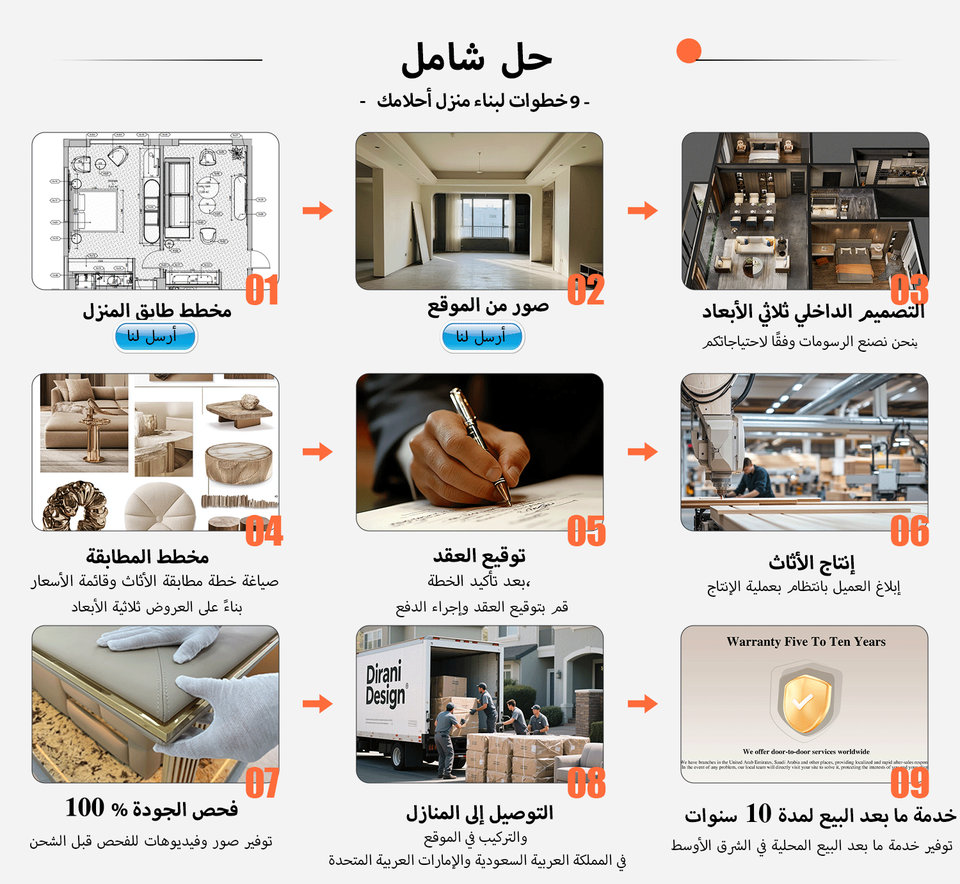
Description
# Direct Audits of Furniture Factories in Guangzhou, China
Guangzhou, a core city in China’s Pearl River Delta, is one of the world’s leading furniture manufacturing and export hubs. With thousands of factories spanning mass-market to luxury upholstery, solid wood, and modular designs, global buyers rely on Guangzhou for cost-effective, diverse furniture options. But ensuring consistent quality, regulatory compliance, and ethical practices requires more than online catalogs or third-party reports: direct factory audits are critical. This article breaks down why these audits matter, what they cover, and how to conduct them effectively in Guangzhou.
## 1. Why Guangzhou Is a Global Furniture Manufacturing Hub
Guangzhou’s furniture industry thrives on its strategic location, skilled labor pool, and integrated supply chain. Key factors include:
– **Proximity to raw materials**: Access to southern China’s timber reserves, fabric mills, and hardware suppliers reduces production lead times.
– **Export infrastructure**: The Port of Guangzhou and nearby Hong Kong airport enable fast shipping to North America, Europe, and Southeast Asia.
– **Diverse production capacity**: Factories range from small-scale workshops (specializing in custom solid wood) to large facilities (mass-producing upholstered furniture for global retailers).
Clusters like Panyu District’s Furniture Industrial Park and Haizhu’s upholstery workshops make it easy for buyers to visit multiple factories in a single trip—ideal for direct audits.
## 2. What Is a Direct Factory Audit, and Why Does It Matter?
A direct audit is an on-site, first-hand assessment of a furniture factory’s operations, conducted by buyers or their authorized representatives. Unlike third-party audits (which may be scheduled in advance or rely on self-reported data), direct audits offer:
– **Unfiltered verification**: Auditors can spot hidden issues (e.g., unreported labor overtime, substandard raw materials stored in back warehouses) that third-party reports might miss.
– **Customized focus**: Buyers can prioritize their specific standards (e.g., EU CE marking, US CPSC safety rules, or sustainable sourcing).
– **Relationship building**: On-site visits help buyers connect with factory owners and workers, fostering trust and better communication long-term.
For global buyers, direct audits are non-negotiable to avoid costly quality issues, regulatory fines, or reputational damage from unethical practices.
## 3. Key Focus Areas of Furniture Factory Audits in Guangzhou
Effective audits in Guangzhou cover four core pillars: quality control, regulatory compliance, labor practices, and sustainability.
### 3.1 Quality Control
Guangzhou’s humid climate (average 70-80% humidity year-round) makes wood moisture content a critical quality metric. Auditors typically check:
– **Raw materials**:
– Solid wood: Moisture content (12-15% is ideal to prevent warping/cracking).
– MDF/plywood: Formaldehyde emissions (must comply with China’s GB 18580-2017 E1 standard, or stricter EU E0 standards for export).
– Upholstery fabrics: Fire retardancy (for EU/US markets) and color fastness.
– **Production lines**:
– Edge banding adhesion (tests for peeling after 24-hour humidity exposure).
– Hardware durability (e.g., drawer slides tested for 10,000 cycles).
– Upholstery frame strength (wooden frames must support 2x the rated weight).
– **Final inspection**: Random sampling (following AQL 2.5 or 4.0 standards) to check for defects like loose stitching, uneven paint, or misaligned parts.
### 3.2 Regulatory Compliance
Guangzhou factories must adhere to local and international regulations. Auditors verify:
– **Local permits**: Valid business license, environmental impact assessment (EIA) from the Guangdong Provincial Department of Ecology and Environment, and fire safety certificate.
– **Product standards**:
– For EU exports: CE marking (mandatory for furniture sold in the EU).
– For US exports: Compliance with CPSC (Consumer Product Safety Commission) rules (e.g., lead content limits for paint).
– Domestic sales: Adherence to China’s GB/T 3324-2017 (national standard for wooden furniture).
### 3.3 Labor Practices
Chinese labor laws (Labor Contract Law of the People’s Republic of China) apply to all Guangzhou factories. Auditors check:
– **Working hours**: Max 44 hours/week; overtime ≤36 hours/month (paid at 1.5x the regular rate).
– **Wages**: Compliance with Guangzhou’s 2024 minimum wage (¥2,300/month for urban districts).
– **Safety**: Ventilation in paint shops (to reduce VOC exposure), fire extinguishers in every 50㎡, and PPE (gloves, masks) for workers handling chemicals.
– **Worker rights**: Confidential interviews with 5-10 workers to confirm no forced labor, child labor, or retaliation for reporting issues.
### 3.4 Sustainability
Global buyers increasingly demand eco-friendly practices. Auditors assess:
– **Waste management**: Wood scraps recycled into particleboard; paint waste disposed of by licensed third-party vendors (per Guangzhou’s waste regulations).
– **Energy efficiency**: Use of LED lighting (instead of fluorescent bulbs) and energy-saving machinery (e.g., low-power saws).
– **Eco-materials**: Use of low-VOC paints (≤100g/L VOC content) and FSC-certified wood (for buyers prioritizing sustainable sourcing).
## 4. Step-by-Step Process of Conducting a Direct Audit in Guangzhou
A successful audit follows a structured process:
### 4.1 Pre-Audit Preparation
– **Define scope**: Specify the product type (e.g., solid wood dining sets), standards (e.g., EU CE), and audit duration (1-2 days for medium-sized factories).
– **Gather docs**: Request factory’s business license, EIA report, product certifications, and labor contracts 2 weeks in advance.
– **Hire local support**: Partner with a Guangzhou-based auditor fluent in Cantonese (common in local factories) and English to avoid language barriers.
### 4.2 On-Site Execution
1. **Opening meeting**: Meet factory management to explain the audit scope and objectives.
2. **Facility tour**: Walk through raw material storage, production lines, and final inspection areas. Look for hidden storage spaces (e.g., back warehouses) where substandard materials may be stored.
3. **Document review**: Cross-check factory docs with on-site observations (e.g., confirm EIA compliance by checking paint waste disposal logs).
4. **Sample testing**: Pull 50-100 random finished products for quality checks (e.g., test drawer slides for smoothness).
5. **Worker interviews**: Conduct confidential one-on-one interviews to verify labor practices (avoid management presence).
### 4.3 Post-Audit Follow-Up
– **Debrief**: Share preliminary findings with factory management (note non-conformities like loose stitching or old lighting).
– **Final report**: Submit a detailed report with:
– Pass/fail status (based on your standards).
– List of non-conformities and corrective action deadlines (e.g., “train workers on stitching by week 2”).
– **Follow-up audit**: Recheck the factory 2-4 weeks later to confirm corrective actions are implemented.
## 5. Common Challenges Auditors Face in Guangzhou Furniture Factories
Guangzhou’s unique context presents specific audit challenges:
### 5.1 Language and Cultural Barriers
Cantonese is the primary local language, so auditors need translators who understand both Cantonese and industry jargon (e.g., “moisture content” or “formaldehyde emissions”). Additionally, factory owners may be hesitant to share negative info (e.g., overtime violations) due to cultural norms of saving face—building rapport via open, non-confrontational questions helps.
### 5.2 Hidden Non-Conformities
Some factories may “stage” areas for audits (e.g., hide substandard MDF in a locked warehouse). Auditors should ask to inspect all storage areas, including back rooms, and cross-check raw material receipts with production logs.
### 5.3 Seasonal Fluctuations
Guangzhou’s furniture exports peak in May-July (for summer sales) and September-November (for holiday seasons). During peaks, factories may rush production, leading to quality issues (e.g., rushed stitching). Auditors should prioritize non-peak seasons (January-February or August) for more accurate assessments.
## 6. Case Study: A Typical Direct Audit Outcome in Guangzhou
A US-based furniture retailer conducted a direct audit of a medium-sized upholstery factory in Panyu District (producing 500 sofas/month for the EU market):
– **Pre-audit**: Reviewed the factory’s CE certification, labor contracts, and EIA report (all valid).
– **On-site findings**:
– **Quality**: 2 out of 50 sofa samples had loose stitching (non-conformity).
– **Labor**: Interviews confirmed overtime was voluntary and paid at 1.5x rate (compliant).
– **Sustainability**: Paint waste was disposed of by a licensed vendor (compliant), but 70% of factory lighting was old fluorescent bulbs (recommendation to switch to LED).
– **Outcome**: The factory passed the audit with minor non-conformities. It trained workers on stitching and replaced 20% of bulbs with LED within 2 weeks. A follow-up audit confirmed compliance, and the retailer placed a $500k order.
## 7. Final Takeaways for Global Furniture Buyers
– **Prioritize direct audits**: Third-party reports are useful, but on-site visits are the only way to verify first-hand compliance.
– **Leverage local expertise**: Partner with Guangzhou-based auditors to navigate regional regulations and cultural nuances.
– **Balance quality and ethics**: Don’t focus solely on price—audit labor practices and sustainability to avoid reputational risks.
– **Follow up**: Corrective actions are meaningless if not implemented—schedule follow-up audits to ensure compliance.
For global buyers sourcing from Guangzhou, direct factory audits are not just a best practice—they’re a critical tool to ensure reliable, ethical, and high-quality furniture supply.
Reviews
There are no reviews yet.